Showing posts with label haiku. Show all posts

2009/12/21

Koma spinning top

[ . BACK to DARUMA MUSEUM TOP . ]
:::::::::::::::::::::::::::::::::::::::::::::::::::::::::::::::::::::::::::::::::::::::::::::::::::::

Spinning Top 独楽(コマ) koma

I have quite a few spinning Daruma tops in my collection.

Darumakoma だるまこま


CLICK for more and original ... wordfun.net

All kinds of spinning tops from Japan !
. . . CLICK here for Photos !

:::::::::::::::::::::::::::::::::::::::::::::::::::::::::::::::::::::::::::::::::::::::::::::::::::::

quote
A top, or spinning top, is a toy that can be spun on an axis, balancing on a point. This motion is produced by holding the axis firmly while pulling a string. An internal weight then rotates, producing an overall circular motion. The top is one of the oldest recognizable toys found on archaeological sites.

Besides toys, tops have also historically been used for gambling and prophecy. Some role-playing gamers still use tops to augment dice in generating randomized results; it is in this case referred to as a spinner. A thumbtack may also be made to spin on the same principles.

Spinning tops are thought to have originated in ancient Egypt about 1000 BC and examples of spinning tops have also been found in Greece dating from around 700 BC.

Japanese tops are considered some of the very best in the world with new and inventive designs coming out each year.
© More in the WIKIPEDIA !


:::::::::::::::::::::::::::::::::::::::::::::::::::::::::::::::::::::::::::::::::::::::::::::::::::::


Daruma koma yellow 達磨独楽


Daruma koma red


:::::::::::::::::::::::::::::::::::::::::::::::::::::::::::::::::::::::::::::::::::::::::::::::::::::


itobiki Darumakoma 糸引きだるまこま
with a long thread


:::::::::::::::::::::::::::::::::::::::::::::::::::::::::::::::::::::::::::::::::::::::::::::::::::::


uranai Oyako Daruma for divination
占い親子ダルマ


We often use it to figure out who is doing the dishes after a party !


:::::::::::::::::::::::::::::::::::::::::::::::::::::::::::::::::::::::::::::::::::::::::::::::::::::

uranai IROHA koma
いろはに独楽

The Japanese alphabet I RO HA NI is written.


:::::::::::::::::::::::::::::::::::::::::::::::::::::::::::::::::::::::::::::::::::::::::::::::::::::

ategoma 当て独楽(コマ)to divine something
about 10 cm high and 6 cm wide


The numbers 1 to 6 are painted.


:::::::::::::::::::::::::::::::::::::::::::::::::::::::::::::::::::::::::::::::::::::::::::::::::::::


ategoma Kokeshi Daruma
当て独楽 (こま)  こけしだるま


and one more kokeshi, with a fierce look


. . . CLICK here for "Spinning Top" Photos !

:::::::::::::::::::::::::::::::::::::::::::::::::::::::::::::::::::::::::::::::::::::::::::::::::::::


H A I K U

kigo for late autumn

beigoma (baigoma) べい独楽(べいごま)
spinning tops made from shells

Muschel-Kreisel
bai mawashi ばい廻し (ばいまわし / 海蠃廻し)

BAI are special conch shells that were used as spinning tops in the Edo period. The conches were opened and the inside filled with wax or lead to make them heavy. They were especially used befor the 9th day of the 9th month of the Chrysanthemum festival. This was not only a toy for children, even grownups enjoyed a game. Later the tops were made of metal. The top of an opponent has to be kicked out of the box or round.
Now these tops are also used during the New Year holidays.
A play of words with BAI, to come back to you manifold. 福が倍にくる

Here are more related KIGO
. Autumn ... Games as Kigo  


kigo for the New Year

koma 独楽 (こま) spinning top
Kreisel
. Things done at the New Year  


澄みきつて独楽の廻れり冬日和
sumikitte koma no mawareri fuyu biyori

such clearness
as the top spins around -
fine winter day


Tanaka Fuyuji 田中冬二 (1894 - 1980)
Tr. Gabi Greve


:::::::::::::::::::::::::::::::::::::::::::::::::::::::::::::::::::::::::::::::::::::::::::::::::::::


独楽にまでうつる右利き左利き
koma ni made utsuru migi-kiki hidari-kiki

it even shows
when spinning tops - right-handed
left-handed


Takenaka Hekisuishi 竹中碧水史 (1029 - )
Tr. Gabi Greve


:::::::::::::::::::::::::::::::::::::::::::::::::::::::::::::::::::::::::::::::::::::::::::::::::::::


独楽打ちの生き残りみな老いにけり
koma-uchi no ikinokori mina oi ni keri

even the winners
of spinning top games . . .
all are getting old


Yamanoue Kazuichi 山上和一
Tr. Gabi Greve


:::::::::::::::::::::::::::::::::::::::::::::::::::::::::::::::::::::::::::::::::::::::::::::::::::


kurukuru to koma no yoo ni genki de ne

round and round
like a spinning top -
stay healthy


A New Year haiga, written for a grandchild

Hisae no E-tegami
http://www.geocities.co.jp/PowderRoom-Lavender/9389/book_109.html


:::::::::::::::::::::::::::::::::::::::::::::::::::::::::::::::::::::::::::::::::::::::::::::::::::::

a top spins ~
pattern on the shell
of a snail


Elaine Andre
Joys of Japan, February 2012


:::::::::::::::::::::::::::::::::::::::::::::::::::::::::::::::::::::::::::::::::::::::::::::::::::

. Spinning tops from Yubara, Okayama .

. Sumo 相撲  Sumo wrestling dolls .
sumoo koma 相撲コマ spinning tops with Sumo wrestlers


Daruma Museum

[ . BACK to WORLDKIGO  TOP . ]
:::::::::::::::::::::::::::::::::::::::::::::::::::::::::::::::::::::::::::::::::::::::::::::::::::::

2009/08/23

Zenringai Hirosaki

[ . BACK to DARUMA MUSEUM TOP . ]
:::::::::::::::::::::::::::::::::::::::::::::::::::::::::::::::::::::::::::::::::::::::::::::::::::::
Zenringai Temple Area in Hirosaki
禅林街
/ 禅林三十三ヶ寺


This is a park-like area, where 33 Zen-temples are located in the town of Hirosaki. They are supposed to protect the castle of Hirosaki, which is famous for its late cherry blossoms.

This historic area, the former "Nakamachi", was the living quaters of the samurai of the Tsugaru clan. There are still many traditional buildings left.
You can enter through the Black Gate, Kuromon 黒門 or the Red Gate, Akamon 赤門.
Walk along uwatera doori 上寺通り(うわでら)or shitadera doori 下寺(したでら)通り.
http://homepage1.nifty.com/ja7bal/zenrin.htm


CLICK for many more photos

The historic site of historic site of temple Choshoji (Chooshoo-ji) 長勝寺 is included.
This temple was the official temple of the Tsugaru domain.
. . . CLICK here for Photos !


Hirosaki Castel in spring 弘前城の桜
CLICK For many more photos


:::::::::::::::::::::::::::::::::::::::::::::::::::::::::::::::::::::::::::::::::::::::::::::::::::

H A I K U


CLICK for more photos


禅林に石の声聞き達磨の忌
zenrin ni ishi no koe kiki Daruma ki

at the Zenrin park
I listen to the voice of stones -
Daruma memorial day


Moriwaki Teiko 森脇貞子
Tr. Gabi Greve


:::::::::::::::::::::::::::::::::::::::::::::::::::::::::::::::::::::::::::::::::::::::::::::::::::::


Hirosaki Daruma 弘前だるま


. Ringo Daruma as an apple 林檎達磨


. Folk Toys from Aomori


:::::::::::::::::::::::::::::::::::::::::::::::::::::::::::::::::::::::::::::::::::::::::::::::::::


. Daruma Memorial Day 達磨忌  


Daruma Museum

[ . BACK to WORLDKIGO  TOP . ]

::::::::::::::::::::::::::::::::::::::::::::::::::::::::::::::::::::::::::::::::::::::::::::::::::::: 

2009/08/10

Tonbodama

[ . BACK to DARUMA MUSEUM TOP . ]

:::::::::::::::::::::::::::::::::::::::::::::::::::::::::::::::::::::::::::::::::::::::::::::::::::::

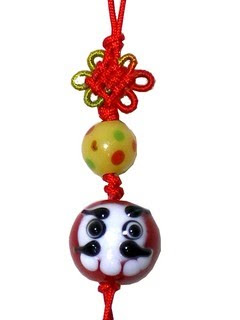
Tonbodama とんぼだま【蜻蛉玉】
Dragonfly Glass Beads


CLICK for original LINK .. kinari-asakusabashi.com


CLICK for original LINK .. shop.yumetenpo.jp

. . . CLICK here for more Photos !


New Year Greeting Card with Tonbo Daruma


source : garu_tombo


:::::::::::::::::::::::::::::::::::::::::::::::::::::::::::::::::::::::::::::::::::::::::::::::::::::

Daruma from ivory and a glass bead
neckless


Photo from my friend Ishino.


. Otafuku, Okamesan and Daruma beads .


:::::::::::::::::::::::::::::::::::::::::::::::::::::::::::::::::::::::::::::::::::::::::::::::::::::


Tonbodama, tombodama

They are beads from glass.

Reference

English Reference : Tombodama


Glass beads are usually categorized by the method used to manipulate the glass. Most beads fall into three main categories: wound beads, drawn beads, and molded beads. There are composites, such as millefiori beads, where cross-sections of a drawn glass cane are applied to a wound glass core. A very minor industry in blown glass beads also existed in 19th century Venice and France.
© More in the WIKIPEDIA !


:::::::::::::::::::::::::::::::::::::::::::::::::::::::::::::::::::::::::::::::::::::::::::::::::::::


炎熱を抜け出て涼しとんぼ玉
ennetsu o nukete dete suzushi tonbodama

fleeing from the extreme
summer heat to the coolness
of a dragonfly bead


This is indeed a little snowman Daruma made from glass.

source : まとこ俳句写真 Makoto


:::::::::::::::::::::::::::::::::::::::::::::::::::::::::::::::::::::::::::::::::::::::::::::::::::

Daruma Museum

[ . BACK to WORLDKIGO  TOP . ]
:::::::::::::::::::::::::::::::::::::::::::::::::::::::::::::::::::::::::::::::::::::::::::::::::::::

2007/12/15

Dogo Onsen Matsuyama Kitty

[ . BACK to DARUMA MUSEUM TOP . ]
:::::::::::::::::::::::::::::::::::::::::::::::::::::::::::::::::::::::::::::::::::::::::::::::::::::

Dogo Onsen Matsuyama

Princess Daruma From the Hot Spring
and Kitty Chan


ひめだるまキティ


Photo from my friend Ishino.

道後温泉

姫だるまキティ


Princess Daruma Kitty


:::::::::::::::::::::::::::::::::::::::::::::::::::::::::::::::::::::::::::::::::::::::::::::::::::::


MORE
Kitty Daruma Photos キティ だるま


CLICK for more english information


CLICK for more photos
Puzzle with Kitty Daruma


Atari Kitty Daruma


Princess Daruma、Hime Daruma 姫達磨 姫だるま


. Matsuyama, Dogo Onsen and Shiki


. Manekineko 招き猫 the beckoning cat   


. Kitty Chan キティちゃん MORE TOYS .

:::::::::::::::::::::::::::::::::::::::::::::::::::::::::::::::::::::::::::::::::::::::::::::::::::::


Kitty Bento lunchbox キティ だるま 弁当

:::::::::::::::::::::::::::::::::::::::::::::::::::::::::::::::::::::::::::::::::::::::::::::::::::::


Exhibition, Japan Society, New York

Bye Bye Kitty!!!
Between Heaven and Hell in Contemporary Japanese Art
Friday, March 18 — Sunday, June 12, 2001

This show features sixteen emerging and mid-career artists whose paintings, objects, photographs, videos, and installations meld traditional styles with challenging visions of Japan’s troubled present and uncertain future.

The sixteen featured artists are:
Makoto Aida会田誠; Manabu Ikeda池田学; Tomoko Kashiki樫木知子; Rinko Kawauchi川内倫子; Haruka Kojin荒神明香; Kumi Machida町田久美; Yoshitomo Nara奈良美智; Kohei Nawa名和晃平; Motohiko Odani小谷元彦; Hiraki Sawaさわひらき; Chiharu Shiota塩田千春; Tomoko Shioyasu塩保朋子; Hisashi Tenmyouya天明屋尚; Yamaguchi Akira山口晃; Miwa Yanagiやなぎみわ; Tomoko Yoneda米田知子.
source : www.japansociety.org

:::::::::::::::::::::::::::::::::::::::::::::::::::::::::::::::::::::::::::::::::::::::::::::::::::::

Kitty Chan
in the driver's seat -
are you surprized ?


. . . CLICK here for Photos of stamps with Kitty !


::::::::::::::::::::::::::::::::::::::::::::::::::::::::::::::::::::::::::::::::::::::::::::::::::::: 

[ . BACK to DARUMA MUSEUM TOP . ]
[ . BACK to WORLDKIGO . TOP . ]

:::::::::::::::::::::::::::::::::::::::::::::::::::::::::::::::::::::::::::::::::::::::::::::::::::::

2007/07/30

Ikkanbari Dolls

[ . BACK to DARUMA MUSEUM TOP . ]
:::::::::::::::::::::::::::::::::::::::::::::::::::::::::::::::::::::::::::::::::::::::::::::::::::::

Ikkanbari Dolls
一閑張・姫だるま

These dolls have been made since 1716 in Matsuyama Town, at the Dogo Hotspring.
They are made with the wish for the healthy growth of a baby.
They relate back to the empress Jingu Kogo 神功皇后.

Details of the Matsuyama Pricness Daruma Dolls !

These come as a pair in blue for the Emperor and red for the Emperess. Both have the hairstyle of nobility. The face is especially inserted.


一閑張「姫だるま」は、享保の初め(1716頃) 道後温泉に滞在中だった五世泉王子定吉が、
 道後温泉でご懐妊の喜びを得られた仲哀天 皇と神功皇后が伊佐爾波の神に一対の木彫 の人形を奉げて、生まれてくる皇子の「健やかな成長を祈った」という説話から発想して、大型の張り子だるまを創作したものです。
 紺色で仲哀天皇を、赤色で神功皇后を表し、顔を別づくりにして「はめ込む」という独自の技法を考案。また、髪型を王朝風の「みずら」に結い上げて、腹部に泉王子系譜の万葉文字の温泉碑文を記した。

© iyo-ikkanbari


. Empress Jingu Kogo 神功皇后 and Japanese Dolls .


:::::::::::::::::::::::::::::::::::::::::::::::::::::::::::::::::::::::::::::::::::::::::::::::::::::


Hiki Ikkan 飛来一閑 (ひき いっかん)
papier mache style lacquerer
(1578年?~明暦3年(1657年)11月21日(旧暦))

His famliy is now in the 16th generation, Satomi, a woman, is now the head of this craft family.

For the tea ceremony of the Senke school, there is a special laquer technique of Ikkanbari also.

A wooden mold is carefully carved and tried, for more than 10 years. When the wood has settled down, just one layer of special Japanese rice paper (washi) is pasted on the wood. Then just one layer is applied on this paper base.

In this way, the first Ikkan, who was a poor man from China who had settled in Kyoto, could make tea utensils in a rather cheap way, but looking quite good.

Now the Ikkan family is one of the senke jisshoku, ten families of craftsmen that have traditionally served as craftsmen for the the Sen tea lineages.

Present day is Hiki Ikkan 飛来一閑 ひきいっかん

一閑張り・・・うるしぬりの一つで、木型をつかって和紙をはりあわせてもとの形を作り、それにうるしを塗って作る。
飛来 一閑(ひき いっかん)は千家十職の一つ、一閑張細工師の当主が代々襲名している名称。漆工芸の一種・一閑張の日本における創始者であり、また歴代千家に一閑張による棗や香合などの道具を納めてきた細工師の家系である。
当代は16代にあたり、12代・中村宗哲(故人)と並ぶ千家十職としては珍しい女性当主である 里美.
飛来家は亡命明人の末裔である。初代一閑は現在の浙江省杭州の出身であったが、清の侵攻が中国南部まで及び、身の危険を感じて大徳寺の清巌宗渭和尚を頼り、寛永頃に日本へ亡命した。日本ではこの清巌和尚の手引きにより千宗旦に紹介され、趣味であった一閑張の細工による小物の注文を受けるようになった。
その後家業を再開したのが3代一閑であり、4代一閑は表千家6代・覚々斎の御用細工師となる。しかし、6代から8代までは早世する当主が相次ぎ、家業の維持すら困難な状態となる。9代一閑は家業の再興に尽力するも、最晩年に大火に遭遇し失意の内に没した。10代一閑は初代一閑の作風に乗っ取った作風でお家再興に当たる。11代一閑は10代の意思を引き継ぎ、またその技術は「名人」とまで言われ、中興の人とされる。
14代一閑は後継者となるべく育てた2人の息子を太平洋戦争の徴兵による戦死で失う。後に婿養子として迎えた15代一閑は大成する前に急逝。その娘である16代一閑が現在夫と共に家業を支えている。

© Wikipedia


Senke Tea Family and Ikkan
The Ten Designated Craftsmen of hte Senke family
http://www.omotesenke.jp/english/chanoyu/6_3_3.html


... ... ...

There is also a simple folk-craft type with paper and sap from the persimmons (kaki shibu)
一間張り、柿渋, 一貫張リ
e-shibu.com/ikkanbari.html


:::::::::::::::::::::::::::::::::::::::::::::::::::::::::::::::::::::::::::::::::::::::::::::::::::::


source : otsue.com

Tray with Old Paper Ikkanbari technique
古紙一閑張壁掛け

:::::::::::::::::::::::::::::::::::::::::::::::::::::::::::::::::::::::::::::::::::::::::::::::::::::


.................... External LINK


Shitai (paper substrate) = Successive sheets of washi paper are pasted over a mould with nori-urushi, a mixture of urushi and rice paste, or warabi-nori, a glue derived from bracken. Once the desired thickness has been obtained, the paper from is removed from the mould and lacquered. This is known as the harinuki method. When washi paper is applied to a wood or bamboo core and lacquered, the term ikkanbari is used.

Handbook for the Appreciation of Japanese Traditional Crafts


MORE in the Daruma Museum
. Folk Toys from Ehime .

:::::::::::::::::::::::::::::::::::::::::::::::::::::::::::::::::::::::::::::::::::::::::::::::::::::


Senooji Daruma Dolls 泉王子だるま

泉王子アトリエ
A tpye of Ikkanbari, made first by Senooji Osamu 泉王子(せんおうじ)治.
Now Watanabe san 渡辺  makes these dolls .

The Shop in Matsuyama
一閑張十三世泉王子治
愛媛県松山市平和通5丁目1-15


© PHOTO : 全国郷土玩具の旅


Here is a pair from Senoji Sensei


© PHOTO : kameshika.cocolog


One more is here in the Daruma News 18:
Senoji Daruma Dolls 泉王子だるま

:::::::::::::::::::::::::::::::::::::::::::::::::::::::::::::::::::::::::::::::::::::::::::::::::::::

quote
一閑張(一貫張)Ikkanbari Bamboo Craft
Ikkanbari bamboo craft is designated as a traditional handicraft by Kagawa Pref. It is a kind of papier-mâché technique, in which washi paper is pasted on wooden or bamboo frames then coated with persimmon tannin. As Sanuki province (present-day Kagawa Pref.) is a hometown of Kobo Daishi Kukai, it is said that the lacquering technique to use persimmon tannin was introduced from China by Kukai.

This craft was, however, invented in the 17th century by Hirai Ikkan, a naturalized person from Ming dynasty China. Until plastic was introduced, persimmon tannin was used in many ways such as vessels or base for lacquering. The Ikkanbari product is very strong and durable because of the water-proof and antiseptic property of persimmon tannin. It is subdued in color and has staid gloss. At the present time, items such as baskets, plates and small boxes are being made.
Recently Ikkanbari is also favored as the material for Japanese-styled indirect lighting.
source : nippon-kichi.jp

:::::::::::::::::::::::::::::::::::::::::::::::::::::::::::::::::::::::::::::::::::::::::::::::::::::


. . . CLICK here for Photos !


. Reference .


:::::::::::::::::::::::::::::::::::::::::::::::::::::::::::::::::::::::::::::::::::::::::::::::::::::


連翹に一閑張の机かな
rengyoo ni ikkanbari no tsukue kana

for the forsythias
a table made of
Ikkanbari


. Masaoka Shiki 正岡子規

tsukue, might also be a desk.
rengyoo レンギョウ Forsythia suspensa
The combination of these often wild flowers on his Ikkanbari desk is quite charming.


:::::::::::::::::::::::::::::::::::::::::::::::::::::::::::::::::::::::::::::::::::::::::::::::::::::

Matsuyama and Haiku

Tea Ceremony Saijiki 茶道の歳時記 

................................................................................. 

. Regional Folk Toys from Japan .


[ . BACK to WORLDKIGO . TOP . ]
[ . BACK to DARUMA MUSEUM TOP . ]

::::::::::::::::::::::::::::::::::::::::::::::::::::::::::::::::::::::::::::::::::::::::::::::::::::: 

2007/06/13

Tibetan Daruma

[ . BACK to DARUMA MUSEUM TOP . ]
:::::::::::::::::::::::::::::::::::::::::::::::::::::::::::::::::::::::::::::::::::::::::::::::::::::

Tibetan Daruma

SANJE ELLIOTT

American painter of traditional Tibetan (Thangka) paintings


© ARTISTS WITHOUT BORDERS / ARTISTS OF THE WORLD.


:::::::::::::::::::::::::::::::::::::::::::::::::::::::::::::::::::::::::::::::::::::::::::::::::::::


wonderous world -
Tibetan Eyes for my
Daruma san


Daruma Museum Features

Tibet Museum, the Alain Bordier Foundation, Swiss


Tibet チベット <> Padama Sangye: The Daruma Connection


DARUMA EYES in Nepal


DARUMA for PEACE !


and

. Buddha's Eyes from Nepal - Svayambunath Pagoda .   

:::::::::::::::::::::::::::::::::::::::::::::::::::::::::::::::::::::::::::::::::::::::::::::::::::::


a dried lotus leaf
in Tibetan Book of the Dead...
winter dusk

Chen-ou Liu
http://chenouliu.blogspot.com/2011/02/winter-haiku.html


The Bardo Thodol, commonly known by its Western title, the Tibetan Book of the Dead, was composed by Padmasambhava, an Indian mystic who was believed to introduce Buddhism to Tibet in the 8th century. The text was written down by his student, Yeshe Tsogyal, then buried in the Gampo hills in central Tibet, and later discovered by Karma Lingpa in the 12th century. The Tibetan title literally means "liberation by hearing on the after death plane (Bardo: after death plane, Thodol or Thotrol: liberation by hearing).”

The book is chiefly used as a funerary text, guiding “those who have died as they transition from their former life to a new destination.” Its main contents include “the dzogchen view, meditation instructions, visualizations of deities, liturgies and prayers, lists of mantras, descriptions of the signs of death, and indications of future rebirth, as well as those that are actually concerned with the after-death state.”

For further information, please read . the Forword . to the first English language translation of the Tibetan Book of the Dead (translated by Lāma Kazi Dawa-Samdup and compiled and Edited by W. Y. Evans-Wentz).

This edition was a best-seller in the 1960s, and it includes Carl Jung’s a "psychological commentary," in which he writes:

“ The Bardo Thödol [Tibetan Book of the Dead] began by being a 'closed' book, and so it has remained, no matter what kind of commentaries may be written upon it. For it is a book that will only open itself to spiritual understanding, and this is a capacity which no man is born with, but which he can only acquire through special training and special experience. It is good that such to all intents and purposes 'useless' books exist. They are meant for those 'queer folk' who no longer set much store by the uses, aims, and meaning of present-day 'civilisation'."


Tibetan Plateau
faded prayer flags flutter
in the autumn wind


Chen-ou Liu
Canada


.................................................................................


Liberation Through Hearing or Bardo Thodol
is a funerary text. It is often referred to in the West by the more casual title, Tibetan Book of the Dead, a name which draws a parallel with the ancient Egyptian Book of the Dead, another funerary text.
© More in the WIKIPEDIA !


quote
Basically then, the Bardo Thodel describes a distinct sequence of states (bardos) through which the individual passes through between death and rebirth. There are three distinct stages, which are as follows:

The Chikai Bardo (or hChi-kha Bar-do – a number of Tibetan letters are silent) or Intermediate period of the moment of death. This includes the process of dying; and the dissolution of the ele-ments (earth, water, fire, and air) that make up the physical body. During this period one experiences the "Clear Light", one's own innate Buddha-nature. This is therefore a very favourable moment for the attainment of Enlightenment and liberation from the wheel of rebirth.
The Tibetan account of the Chikai Bardo shows striking parallels with the so-called "Near Death Experience" of people who have died, ex-perienced themselves floating out of their bodies, and so on, and then been revived.
source : www.spiritofmaat.com


chikai bardo...
limitless universe before me
no wind, no sun 


- Shared by Zaya Nergui, Mongolia, 2013 -


::::::::::::::::::::::::::::::::::::::::::::::::::::::::::::::::::::::::::::::::::::::::::::::::::::: 


. Haiku in Tibet, Bhutan, Nepal, India  


. Tibetans in India - my PHOTO ALBUM  


:::::::::::::::::::::::::::::::::::::::::::::::::::::::::::::::::::::::::::::::::::::::::::::::::::::


mild winter sun -
the Tibetan Buddha
watches over me


Gabi Greve


. Prayer Flags and Haiku  


[ . BACK to WORLDKIGO . TOP . ]
[ . BACK to DARUMA MUSEUM TOP . ]
::::::::::::::::::::::::::::::::::::::::::::::::::::::::::::::::::::::::::::::::::::::::::::::::::::: 

2007/04/13

Kazusa Daruma

[ . BACK to DARUMA MUSEUM TOP . ]
:::::::::::::::::::::::::::::::::::::::::::::::::::::::::::::::::::::::::::::::::::::::::::::::::::::

Kazusa Daruma 上総だるま

MATSUMOTO SETSUTARO
  松本 節太郎 


. . . . . His wonderful Daruma Colletcion !

Most of the dolls are made from torn pages of old books and magazines. Check the LINK for many many more.


Good Luck Symbols 財宝


Pumpkin


Lucky Fish Symbols


Princess Camellia


Plants and beetles


Other motives

Eto, zodiac animals 干支
Seven Gods of Good Luck 七福神
Vegetables, yasai 野菜
pine, bamboo, plum, shoochikubai 松竹梅
lucky hammar, ofuku kozuchi おふく小槌
kakakuri flowers
plum and bush warbler, uguisu to ume
tsurukame 鶴亀
koma こま. 駒
kooshin monkey 庚申
Princess Phoenix 姫だるま 鳳凰


The original Kazusa Daruma, with a hollow face


:::::::::::::::::::::::::::::::::::::::::::::::::::::::::::::::::::::::::::::::::::::::::::::::::::::


The Main Story is here

- AYAME Daruma, Iris-Daruma  あやめだるま 菖蒲達磨
Kashiwa Daruma 柏だるま


:::::::::::::::::::::::::::::::::::::::::::::::::::::::::::::::::::::::::::::::::::::::::::::::::::::


Kazusa Province (上総国, Kazusa-no kuni)
was a province of Japan in the area of modern Chiba Prefecture.It lies on in the middle of the Bōsō Peninsula (房総半島), whose name takes its first kanji from the name of Awa Province and its second from Kazusa and Shimōsa Provinces. Its abbreviated form name was Sōshū (総州) or Nansō (南総).

Kazusa is classified as one of the provinces of the Tōkaidō. Under the Engishiki classification system, Kazusa was ranked as a "great country" (大国) and a far country (遠国). Along with Kōzuke and Hitachi, it was originally one of the provinces where an imperial prince was nominally assigned as governor.

Kazusa was originally part of a larger territory known as Fusa Province (総国, occasionally 捄国, Fusa-no-kuni), which was divided into “upper” and “lower” portions (i.e. Kazusa and Shimōsa) during the reign of Emperor Kōtoku (645-654).
© More in the WIKIPEDIA !

.................................................................................


Kobayashi Issa
Tr. David Lanoue


我星は上総の空をうろつくか
waga hoshi wa Kazusa no sora o urotsuku ka

sky over Kazusa--
is my star up there
prowling?


水仙やせ中にあてる上総山
suisen ya senaka ni ateru Kazusa yama

daffodils--
I show Kazusa mountains
my back


quote
This hokku is from 1812 (Bunka 9). In the 3rd-5th months of 1812 Issa was on the road in Kazusa (in modern Chiba Prefecture), and on 6/18 he arrived back in his hometown. On 6/9 he was in Ueda in Nagano Pref., according to his hokku dairy. So this hokku was written a little later than 6/9, probably just after Issa returned on 6/18 to his hometown in the Shinano mountains, which are not anywhere near Kazusa. No day date is given above the hokku.
The Kazusa mountains are far to the east, a little farther away from his hometown than Edo.
source : Chris Drake


上総山, modern Nokogiriyama 鋸山

Famous for its steep cliffs and many stone Buddhas, and in modern days, for a big cliff Buddha statue.

When taking a boat crossing the bay from Tokyo, you can see the cliff from far away.
Nowadays there is a cable car up to the top.

Mount Nokogiri
(鋸山, Nokogiri-yama) is a low mountain on the Bōsō Peninsula on Honshu, Japan. It lies on the southern border of the city of Futtsu and the town Kyonan in Awa District in Chiba Prefecture.
© More in the WIKIPEDIA !


::::::::::::::::::::::::::::::::::::::::::::::::::::::::::::::::::::::::::::::::::::::::::::::::::::: 

[ . BACK to DARUMA MUSEUM TOP . ]
[ . BACK to WORLDKIGO . TOP . ]

:::::::::::::::::::::::::::::::::::::::::::::::::::::::::::::::::::::::::::::::::::::::::::::::::::::